


Woodworking machines are core equipment in modern woodworking. Whether in a professional workshop or a home DIY setting, choosing the right woodworking machine, using it effectively, and maintaining it properly can improve processing efficiency and precision, and ensure operational safety. This practical guide covers core machine selection, safe operating procedures, and daily maintenance techniques, helping woodworking enthusiasts and professionals easily master woodworking machinery.
- Precise Selection: A Guide to Core Machines Matching Your Needs
Woodworking machines come in many varieties, each with its own focus. Precisely matching the machine to your usage scenario is fundamental to improving efficiency.
The table saw is a versatile tool in the woodworking workshop. Its core function is straight cutting of wood, enabling various processes such as crosscutting, beveling, and mortising. Its size is determined by the saw blade diameter. Home DIY users can choose models under 10 inches, while professional processing requires models of 12 inches or larger. Band saws excel at bending and cutting, using the high-speed rotation of the circular saw band to handle irregular contours. Vertical models are suitable for small to medium-sized workpieces, while horizontal models are suitable for processing large pieces of wood. Their dimensions are based on the distance between the saw band and the inside of the frame.
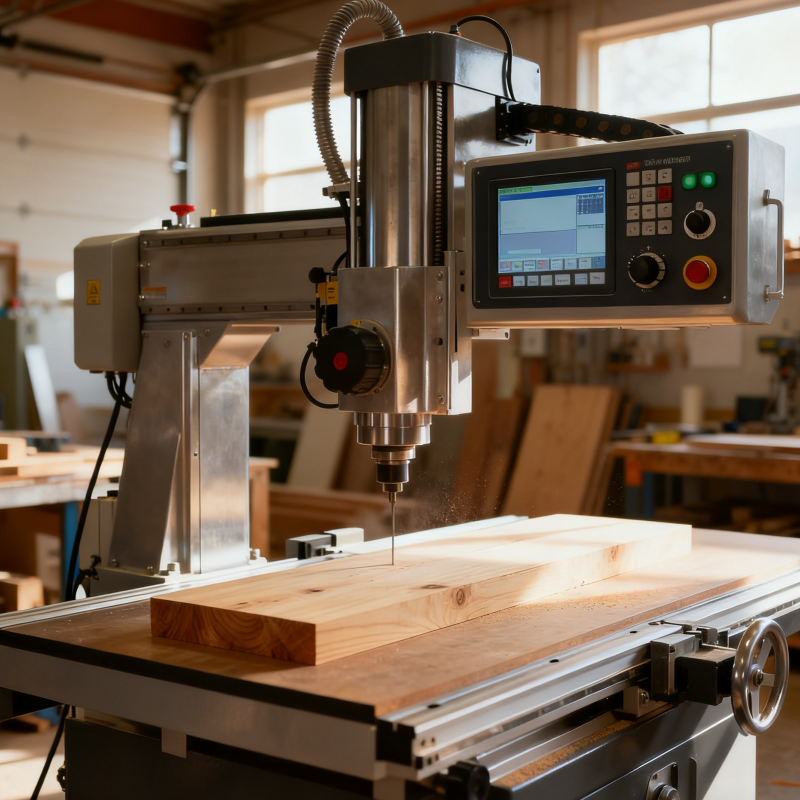
Woodworking lathes are specifically designed for cylindrical workpieces, efficiently processing everything from table legs to wooden bowls. Their performance parameters mainly depend on the “spinning diameter” and center distance; for long workpieces, the center distance is a key factor to consider. Among planers, surface planers are used to smooth straight edges and surfaces of boards, while thickness planers focus on ensuring uniform thickness in batches of wood. Using both together can quickly produce high-precision boards. Mortising machines are essential for creating mortise and tenon joints. Hollow chisel mortising machines are the most commonly used, efficiently creating standard square grooves through the combined action of a spiral drill and a hollow chisel.
- Safety First: Inviolable Operating Procedures
The high-speed operation of woodworking machine blades poses hidden risks; strictly adhering to operating procedures is a prerequisite for safe processing.
Pre-start checks are essential: Ensure all safety devices are complete and in good working order; that the blades are securely installed with sharp, crack-free edges; that the electrical system is free of leaks or damage; and that lubrication points have sufficient lubrication. Clean the work area of sawdust and debris, and ensure adequate lighting and ventilation. Operators must wear work clothes, safety glasses, and other personal protective equipment; long hair must be tucked into a work cap; slippers and shorts are strictly prohibited. Operating the equipment while under the influence of alcohol or fatigue is strictly prohibited.
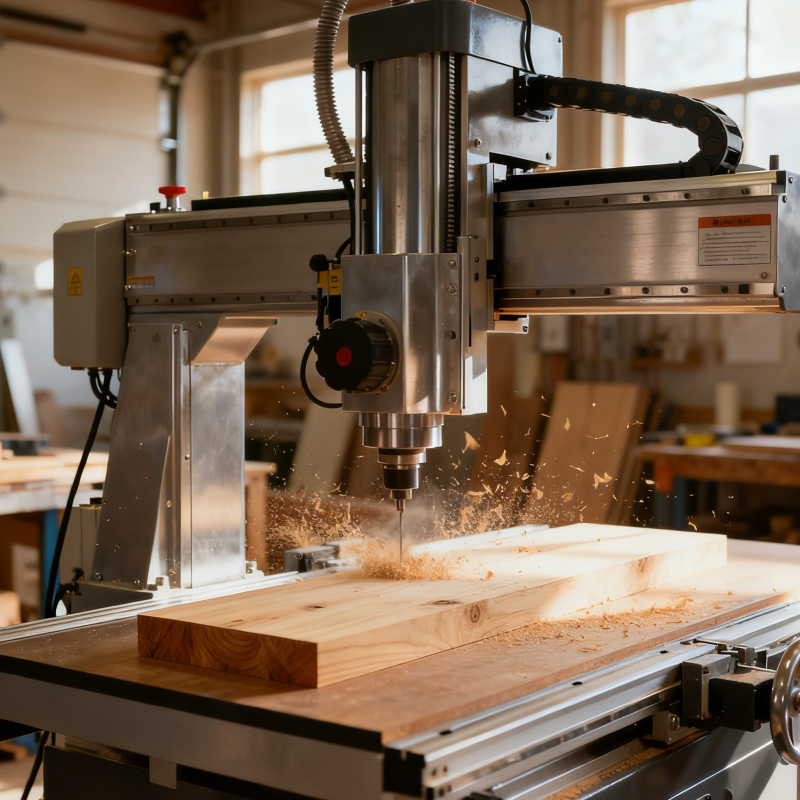
Different machine models have specific safety guidelines: When operating a table saw, use a pusher to push the wood; never let your hands directly approach the saw blade. The saw blade height should be controlled to be 1-2 mm above the wood, and the maximum tilt angle of the worktable should not exceed 45°. Before starting a band saw, check the saw blade tension; too loose and it will slip, too tight and it will break. When feeding, apply even force with both hands and avoid touching the running saw blade. When planing, the planer blade should not extend more than 1.1 mm. Wood shorter than 300 mm or thicker than 15 mm should not be processed to prevent injury from rebound.
Emergency handling requires decisive action: If the equipment exhibits abnormal noise or vibration, immediately shut off the power. Only proceed with inspection and repair after the machine has completely stopped operating. It is strictly forbidden to adjust, clean, or replace tools while the machine is running.
Long-term operation and maintenance: Maintenance techniques to extend equipment lifespan
Scientific maintenance not only extends equipment lifespan but also ensures the stability of processing accuracy.
Daily cleaning is fundamental. After each use, promptly clean the worktable, tools, and transmission components of sawdust. Use specialized tools to remove residual sawdust from the table saw blade and band saw blade to prevent dust accumulation from affecting cutting accuracy. Regularly check the dust extraction system for pipe blockage to prevent sawdust buildup and malfunctions.
Tool maintenance is crucial. Saw blades, planer blades, and other easily worn parts should be sharpened regularly. Replace immediately if cracks or severe wear are found. Use specialized tools when replacing saw blades and ensure the nuts are tightened securely. When installing planer blades, ensure the blade height is consistent to avoid vibration during operation.
Regular maintenance is essential: Following the equipment manual, regularly add lubricating oil to the belts, chains, and gears of the transmission system, check the tension, and adjust as needed. The electrical system requires regular dust removal, and wiring terminals should be checked for looseness. When the equipment is not in use for extended periods, apply anti-rust oil to protect metal parts and cover them with a dust cover to prevent dust accumulation.
The value of a woodworking machine lies in its ease of use and safety. From precise model selection to meet your needs, to strict adherence to regulations to ensure safety, and to scientific maintenance to extend its lifespan, every step is indispensable. Follow this guide to make your woodworking machine a reliable partner on your creative journey, allowing you to enjoy the unique charm of woodworking while processing materials efficiently.